

Staying Safe With Household Lithium-Ion Batteries
Why lithium-ion battery safety matters
Lithium-ion batteries power many everyday devices, from phones and laptops to vacuums and e-bikes. With their growing popularity, the average Australian household is expected to own 33 lithium-powered devices within the next two years.
While generally safe, these batteries can be a fire risk if damaged or used incorrectly, especially with faulty devices, the wrong chargers, or unsafe charging and storage. Fires from lithium-ion batteries can be intense, spread quickly, and even restart after being put out, putting people and homes at risk.
We have designed this guide to help you:
- recognise devices powered by lithium-ion batteries,
- learn how to use, charge, store, and dispose of them safely, and
- understand the fire risks and how to minimise them.
We hope this information helps you use lithium-ion batteries safely, protecting your family, home, and belongings.
What are lithium-ion batteries?
Lithium-ion batteries are a type of rechargeable battery. They store more energy in less space than traditional batteries, allowing devices to run for longer. Because they charge easily and work efficiently, lithium-ion batteries power most modern technology.
Lithium-ion batteries come in many shapes and sizes: some look like traditional round AA batteries, others are flat, and some resemble small bricks.
Common household items that use lithium-ion batteries include:
- Cordless and robot vacuum cleaners
- Cordless drills and power tools
- E-scooters and e-bikes
- Electronic toys and gaming controllers
- Electric lawnmowers
- Laptops and tablets
- Portable fans and heaters
- Portable power banks
- Smartwatches
- Smartphones
- Solar batteries
- Wireless headphones
How to tell if your device uses a lithium ion battery
Here are three ways to check:
- Look for the label – Look for terms such as “Li-ion”, “Lithium”, “Lithium-ion polymer”, or “Li+” on the battery or in the device manual.
- Check if it is rechargeable – If your device charges via a USB cable or wall plug and does not use replaceable batteries, it likely uses a lithium-ion battery.
- Check for safety warnings – Devices with lithium ion batteries often include warnings like “do not expose to heat” or “use only with approved charger.”
Using lithium-ion batteries
Lithium-ion batteries are reliable, but if you damage or misuse them, they can overheat and catch fire.
To stay safe when using them, we recommend only buying devices from reputable manufacturers and suppliers. Be careful when buying devices online as some products for sale on the internet do not meet Australian safety standards. Please note that your policy may not cover fires from faulty devices if you knew, or should reasonably have known, there was a fault.
Overheating
Lithium-ion batteries can overheat due to overcharging, physical damage, manufacturing defects, and poor ventilation during charging. The overheating can begin a dangerous chain reaction where the battery keeps getting hotter, known as a “thermal runaway”. A “thermal runaway” can happen very quickly and is hard to stop once it starts. It can cause the battery to catch fire or even explode.
If your lithium-ion battery is overheating, we recommend the following steps:
- Stop using the device – Power it down immediately and unplug it from any charger.
- Move it away from flammable materials – Place the device or battery at least five metres away from anything combustible like bedding, curtains, paper, or furniture.
- Do not touch the battery directly – Avoid touching with bare hands, especially if the battery is swollen or leaking. If you must move it, use a tool with a long handle.
- Monitor for smoke or flames – Watch for signs of ignition. If the battery catches fire, evacuate the area and call emergency services (Triple Zero 000).
Did you know?
Personal mobility devices, such as e-scooters and e-bikes are the fastest growing fire risk from lithium-ion batteries in Australia. Make sure you only purchase personal mobility devices that comply with Australian standards and charge them away from living areas, such as in the garage. When your device is fully charged, remember to unplug it and switch off the power point.
Charging
To safely charge devices that use lithium-ion batteries and maintain battery health, there are a few simple but effective steps you can take:
- Use the charger and cord that came with your device or one recommended by the manufacturer.
- Choose a cool, dry spot out of direct sunlight.
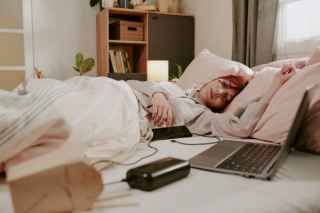
- Charge on a hard, flat surface that will not catch fire. Avoid beds, couches, carpets, rugs, or any other flammable surfaces.
- Do not charge while you are asleep or away from home.
- Charge large batteries, like those in e-scooters or power tools, away from living areas. For example, charge in the garage, shed or carport.
- Unplug your device when it is fully charged and switch off the power point.
- Replace the battery if it stops holding its usual charge.

Using compliant chargers and cords
Low-cost chargers and cords may not comply with Australian electrical safety standards. By choosing compliant chargers and cords, you lower the risk of fire from lithium-ion batteries.
Here are some ways to check if your chargers and cords are compliant:
Chargers
- Look for the Australian Regulatory Compliance Mark (RCM). The RCM is a tick symbol inside a triangle or circle, and shows that a product meets strict Australian electrical safety standards. If you do not see the RCM symbol, the device may not be safe to use.
- Confirm whether the device is approved for use in Australia. Search online for the Electrical Equipment Safety System (EESS) Certification Database. You can look up devices by brand, model number, or supplier.

Australian Regulatory Compliance Mark (RCM)
Plugs and Cords
- Check the condition of plugs and cords. Replace any that are damaged or frayed.
- The electrical plug on the end of the cord should have white or black “bands” at the base of the prongs.
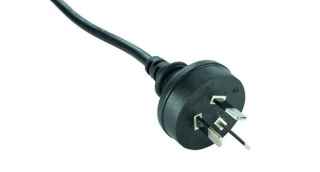
Example of a compliant Australian power plug
Storage
Keep your lithium-ion batteries safe and long-lasting by storing them properly.
Below are some tips for storing lithium-ion batteries:
- Choose a cool, dry, well-ventilated area (ideally between 20°C and 25°C).
- Keep away from flammable items like paper or cleaning products.
- Use original packaging or cover terminals with insulating tape.
- For long-term storage, maintain a charge between 40% and 60%, and recharge every three months.
- Store out of reach of children and pets.
- Inspect regularly for signs of damage, like leaks, bulging, or corrosion, and recycle damaged ones.
- Handle carefully to avoid drops or physical damage.
- For added safety, make sure you have working smoke alarms in the rooms where you charge or store your batteries.
Did you know?
Devices can catch fire even when not charging, especially if the battery is of poor quality. To prevent a fire, make sure to store your lithium-ion batteries safely.

Disposal
Recycling lithium-ion batteries the right way helps protect our community and the environment. When taken to a designated drop-off point, these batteries stay out of landfill and their valuable materials can be reused.
Placing batteries in household rubbish or recycling bins is dangerous; they can cause fires during collection or processing. To stay safe and support a more sustainable future, always recycle your used batteries at an approved location.
Here are a few options for recycling your lithium-ion batteries:
- Contact your local council to ask how to recycle lithium-ion batteries in your area.
- Many supermarkets and hardware stores offer battery recycling bins. Visit stores in your local area to confirm which types of batteries they accept.
- Search online for B-cycle, Australia’s official battery recycling scheme. B-cycle will help you find a battery drop-off point near you.
What to do in an emergency
If you see fire, smoke, or a white cloud coming from a battery:
- Do not touch it.
- Avoid breathing the air around it.
- Warn others and evacuate to a safe place.
- Do not use water to try and put out any flames. If available, use a fire extinguisher rated for electrical fires.
- Call emergency services (Triple Zero 000).
Frequently asked questions
Here are three ways to check:
- Look at the label – Look for terms like “Li-ion”, “Lithium”, or “Lithium-ion polymer”.
- Confirm if rechargeable – If it charges via USB or wall plug and does not use replaceable batteries, it is likely lithium-ion.
- Safety warnings – Check for messages like “do not expose to heat” or “use only with an approved charger”
Look out for signs such as swelling, leakage, overheating, smoke, or vapour. Never use batteries exposed to water or fire, they can catch fire and pose serious safety risks. Be sure to dispose of damaged batteries immediately.
A few simple habits can greatly improve battery safety. Always follow manufacturer instructions and charge lithium-ion devices on hard, non-flammable surfaces. Unplug once fully charged and switch off at the power point. Keep batteries away from heat, water, and flammable materials, and never use ones that are damaged or overheating. Make sure smoke alarms are working in any room where batteries are charged or stored.
We recommend contacting your local council to find your nearest battery drop-off point. Many supermarkets and hardware stores also offer battery recycling bins.
Cover for fire is automatically included with home insurance policies. However, there are some exclusions and conditions apply. For full details please refer to the Product Disclosure Statement or contact us.
Please call Triple Zero (000) if you need emergency help. Once it is safe, contact us to make a claim.
Sometimes your circumstances might mean you need additional support or assistance in dealing with us. This could be due to your physical or mental health, family or financial situation, or cultural background. If you are comfortable, you can tell us about your situation. We will work with you to arrange support.
Disclaimer:
Insurance is issued by AAI Limited ABN 48 005 297 807 trading as Suncorp Insurance. Consider your Product Disclosure Statement before making any decisions. The Target Market determination is available. Contact us for a copy.
This information about lithium-ion batteries is intended to be of a general nature only. Subject to any rights you may have under any law, we do not accept any legal responsibility for any loss or damage, including loss of business or profits or any other indirect loss incurred as a result of reliance upon the information. Please make your own enquiries