

Home Maintenance Guide & Tips to Protect Your Home
Keeping your home happy and healthy
We know you want to look after your home, but sometimes it can be difficult to know what you need to do and when. This brochure explains what home maintenance is, why it is important and gives you tips on what you need to do. It also explains what it means when you need to complete maintenance as part of the claims process.
About home maintenance
Naturally over time, our homes and our contents experience wear, tear, and gradual deterioration. Some examples include:
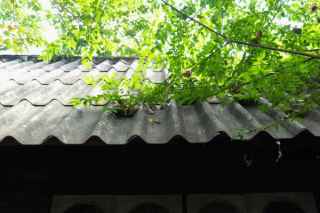
- weathering of roof tiles and roof ridge capping, as well as cracked or missing tiles, and deterioration of roof pointing and bedding,
- rusting roof sheets, gutters and downpipes,
- cracked or missing bricks, mortar, or concrete,
- wood rot in windows and door frames,
- deterioration of electrical wiring and electrical items, including light switches and stove elements,
- tiles and the adhesive or grout breaking down, and
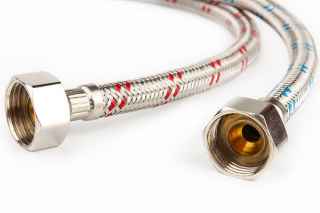
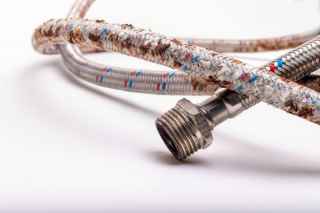
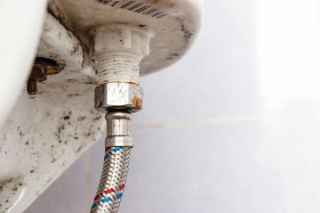
- deterioration of tap seals.
Maintenance is all about you taking proactive and regular steps to protect your home and keep it in good condition. It can improve the resiliency of your home and could prevent damage and costly repairs.
Did you know?
Your Product Disclosure Statement explains it is your responsibility to maintain your home. This may include:
- keeping your home structurally sound, watertight, and secure,
- fixing any inherent defect, faulty design or poor workmanship and structural defects or faults as soon as possible after you identify it or someone mentions it to you, and
- ensuring your home and contents stay in good condition.
When you do not meet your responsibility to maintain your home, damage may occur. This can impact on your policy and claim coverage.
Please check the Product Disclosure Statement for more information about your responsibilities. You can find it on our websites or call us for a copy.
Home maintenance tips
Every twelve months you change your smoke alarm batteries to make sure they work. Similar to this, it is important to check your home regularly, even if there have been no issues.
Remember it is your responsibility to maintain your home. If you do not, damage may occur. This can impact on your policy and claim coverage.
To get you started, here are some tips. You could complete these at least once a year, and ideally before storm and bushfire season.
Did you know?
Mould is a type of fungi that can occur in environments where there is water and limited sunlight. Far from just being a nuisance, it may cause health issues and further damage to your home and contents.
Finding maintenance issues during the claims process
It is your responsibility to maintain your home. After you have lodged a claim, our assessors and builders will visit your home to assess the damage.
At this time, they may find maintenance issues that need to be fixed for repairs covered by your home insurance policy to be completed. You may need to fix these issues before our builders can start work on these repairs.
Your Claims Manager will let you know if you need to fix any maintenance issues after we have assessed the damage to your home. You can complete simple maintenance such as cleaning gutters or drains yourself if it is safe to do so. Please call a licensed tradesperson for simple maintenance if needed and for complex maintenance. This includes checking your plumbing, waterproofing, electrical work, and roof.
You must make every effort to fix any maintenance needed for the repairs you are claiming for to be completed and understand when you need to complete them by. We may not cover further damage to your home if there are outstanding maintenance repairs. There can also be impacts on your policy and claim coverage.
Please let your Claims Manager know when your maintenance is complete, so we can begin repairs on your home.
If you disagree with our maintenance advice, you can provide your own builder’s report for us to consider. We will review your builder’s report and talk you through the next steps.
Extra support
Sometimes your circumstances might mean you need additional support or assistance in dealing with us. This could be due to your physical or mental health, family or financial situation, or cultural background. If you are comfortable, you can tell us about your situation. We will work with you to arrange support.
Frequently asked questions
This will depend on the type of maintenance needed to your home. You can complete simple maintenance such as cleaning gutters or drains yourself if it is safe to do so. Please call a licenced tradesperson for simple maintenance if needed and for more complex maintenance. This includes checking your plumbing, waterproofing, electrical work, and roof.
You may need to fix maintenance issues before our builders can start work on the repairs covered by your home insurance policy with us. Your Claims Manager will let you know if you need to fix any maintenance issues after we have assessed the damage to your home.
Please let your Claims Manager know when your maintenance is complete. They will let you know if you need to provide reports, photos or copies of any tax invoices. It is a good idea to ask for reports, photos and a tax invoice upfront if you are using a licenced tradesperson.
Your Claims Manager will be happy to talk through any questions or concerns you have. They will also be able to explain your responsibilities under your policy. Please remember, you must:
- make efforts to complete the maintenance to prevent further damage, and
- understand when you need to complete the maintenance.
Please let your Claims Manager know when your maintenance is complete.
You can provide your own builder’s report if you disagree with our decision on whether an issue is considered maintenance. We will review your builder’s report and talk you through the next steps.
We understand that you may not be able to complete all maintenance on your home yourself, especially where it is unsafe to do so. Please call a licensed tradesperson if you need help with simple maintenance and for more complex maintenance. This includes plumbing, waterproofing, electrical work, and roof repairs.
Remember, it is your responsibility to maintain your home. This includes completing maintenance that we have identified through the claims process. You will need to make sure this maintenance is completed so we can begin the repairs covered by your policy as soon as possible.
If you are having difficulties completing the maintenance for any reason, please speak to your Claims Manager.
We understand that sometimes you may need extra care and support in difficult times in your life. We are committed to looking after your needs with sensitivity, dignity, respect, and compassion. Please speak to your Claims Manager and we can work together to help find the support you need.
Disclaimer:
Insurance is issued by AAI Limited ABN 48 005 297 807 trading as Suncorp Insurance. Read the Product Disclosure Statement before buying this insurance. Visit our websites for a copy. The Target Market Determination is also available. This advice has been prepared without taking into account your particular objectives, financial situations or needs, so you should consider whether it is appropriate for you before acting on it.
The information is intended to be of general nature only. We do not accept any legal responsibility for any loss incurred as a result of reliance upon it – please make your own enquiries.